A professional appliance pickup service helps when an appliance is unsafe, too heavy, hard to move, or ready for special disposal. In Medina, a trained crew can remove refrigerators, washers, dryers, and other large items while helping protect floors, walls, doors, and nearby belongings during the job.
Table of Contents
- What Does a Professional Appliance Pickup Service Do?
- How Do You Know When an Appliance Is Ready for Removal?
- Is an Old Appliance Taking Up Useful Space?
- Are You Moving, Renovating, or Preparing a Property for Sale?
- Could Moving the Appliance Yourself Cause Injury or Property Damage?
- Does the Appliance Need Special Disposal or Recycling?
- Are You Unsure How to Prepare an Appliance for Pickup?
- Do You Need Several Appliances Removed at Once?
- Why Is Professional Appliance Pickup Helpful for Busy Homeowners?
- How Can You Choose the Right Appliance Pickup Service?
What Does a Professional Appliance Pickup Service Do?
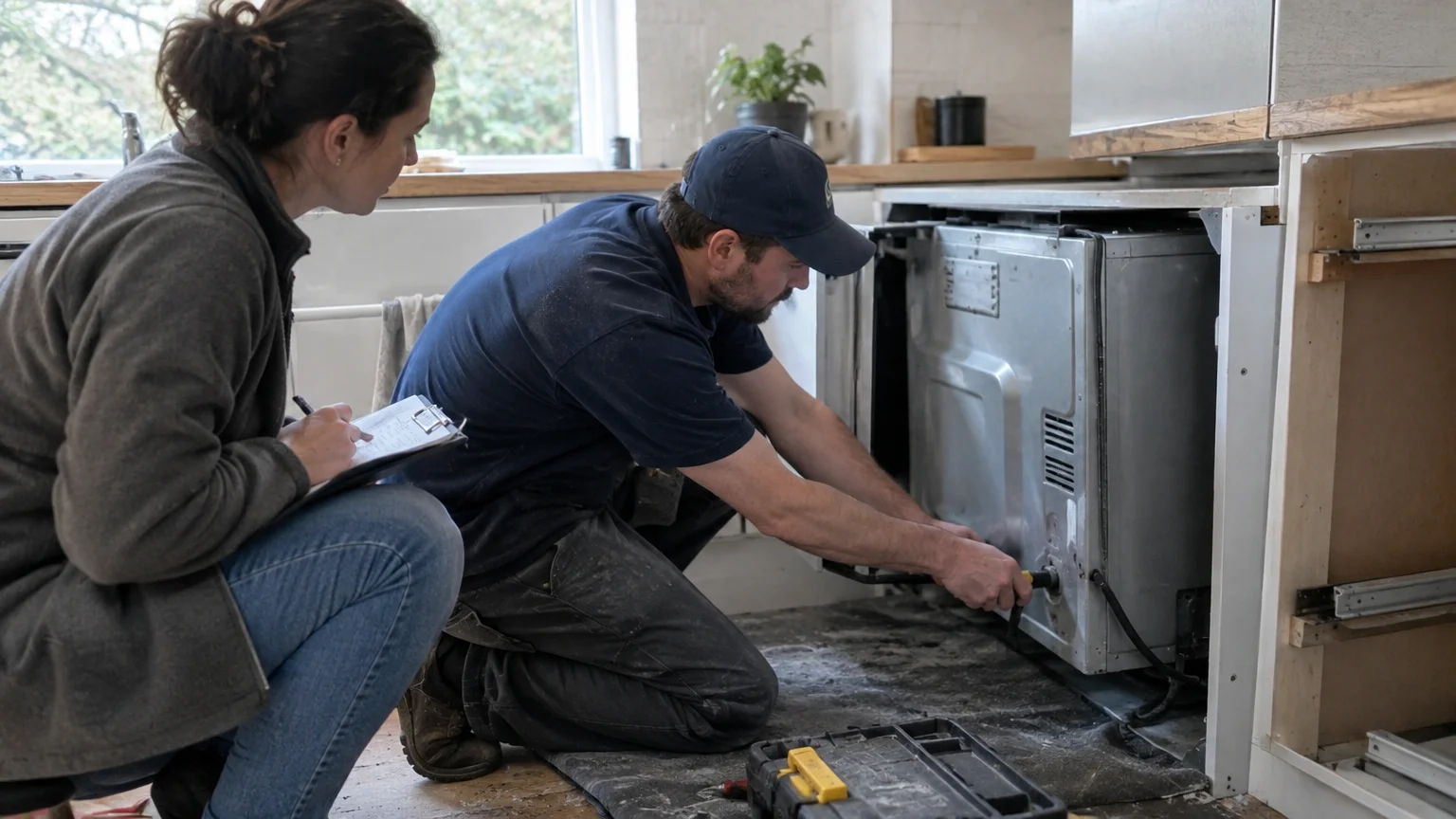
A professional appliance pickup service removes large household appliances and takes them to the next proper step. That step may include reuse, recycling, parts recovery, or disposal through an approved local channel. The crew often handles lifting, loading, transport, and basic cleanup.
Medina Junk Removal helps homeowners plan the next step for unwanted appliances. A local crew may handle refrigerators, freezers, ovens, stoves, dishwashers, washing machines, dryers, microwaves, and similar items. The list can vary, so describe the appliance before setting a pickup time.
Which household appliances can usually be collected?
Most pickup services accept common large appliances. These include kitchen appliances, laundry machines, and some smaller electrical items when they are part of a larger removal. Tell the provider about unusual items, built-in units, damaged machines, or appliances that still contain food, water, or other materials.
A refrigerator or freezer may need extra care. It can contain refrigerant and other parts that should not be treated like normal household rubbish. A washing machine may still hold water. A dryer may have lint or remain connected to a vent. Clear details help the crew plan a safer removal.
How does appliance pickup differ from regular junk removal?
Regular junk removal may include many kinds of household clutter. Appliance pickup focuses on heavy, bulky, and sometimes regulated equipment. It may need more planning because an item can connect to power, water, gas, a vent, or a wall opening.
The service is more than carrying an appliance to the curb. The crew checks the route, protects the home, loads the item safely, and decides how it should be handled afterward. That process makes appliance removal different from leaving an unwanted item beside a bin.
How Do You Know When an Appliance Is Ready for Removal?
An appliance is ready for removal when it no longer serves the home safely or well. Warning signs include repeated breakdowns, damaged cords, leaks, unusual heat, rust, and poor performance. You do not need to wait until the item becomes dangerous or blocks an important part of the home.
Some checks are safe to do yourself. You can remove food, wipe loose dirt, check whether a door closes, and look for clear damage. Keep the appliance unplugged when a cord, plug, outlet, gas line, or water connection looks damaged.
Sign 1: The appliance no longer works safely
A damaged appliance can create risks that are easy to miss. Frayed cords, broken plugs, leaking water, burning smells, exposed wiring, sharp metal, and unstable doors all need attention. A refrigerator that does not seal well can spoil food and work harder than it should.
Do not take apart a large appliance to find the problem. Do not move a damaged unit through the home without a clear plan. A professional appliance pickup service can remove it without asking you to repair, dismantle, or carry it.
Sign 2: Repairs cost more than the appliance is worth
Repeated repairs can make an old appliance less useful. This is especially true when the same problems keep returning. A repair worker can help you decide if repair makes sense. If the unit is worn out, unsafe, or no longer fits your needs, removal may be the better next step.
The choice depends on the appliance, its age, its condition, available parts, and the fault. It also depends on whether you plan to replace it soon. The final removal cost should be confirmed in a quote after the provider reviews the item and access conditions.
Is an Old Appliance Taking Up Useful Space?
An old appliance may need removal when it takes up space for storage, work, laundry, or daily movement. A broken freezer in a garage, an unused washer in a basement, or an old range in a kitchen can make a room feel crowded for months.
Medina Junk Removal can help homeowners decide whether an appliance should stay, be donated, or be removed. A clear plan keeps the home from becoming a storage area for items nobody plans to use again.
Sign 3: A garage, basement, attic, or laundry area is becoming crowded
Large appliances take up more room than many other household items. They may block shelves, doors, work areas, or access to important equipment. In a garage, an old machine can reduce parking space. In a basement, it can narrow walking paths and make other items harder to reach.
Start by sorting appliances into three groups: working items that may be reused, items that need repair, and items that are no longer useful. This simple check can keep a good appliance from being discarded. It also makes unwanted items easier to identify.
How appliance removal can improve household organization
Removing one bulky item can make a room easier to clean and safer to use. It can also help you see what else belongs in the space. A clear laundry area may leave room for baskets, supplies, or a safer path around the machines.
Storage should have a real purpose. Keeping a broken appliance because it might help someday often delays the decision. When an item has no clear future use, responsible removal can help the household move forward.
Are You Moving, Renovating, or Preparing a Property for Sale?
Moving, remodeling, and selling often reveal appliances that were ignored. A home may need removal before new cabinets arrive, flooring is installed, or a buyer visits. Early planning gives you time to disconnect items safely and clear the route.
A local junk removal service can help when an appliance does not fit the new home or a property must be cleared soon. Medina Junk Removal serves the main Medina area, including Historic Public Square and Weymouth, along with Brunswick, Wadsworth, Hinckley, Seville, and nearby communities. The crew can review your appliance list before pickup.
Sign 4: You need to clear appliances before a move or remodel
Moving an old appliance to a new home may not make sense if it is unreliable, too large, or not right for the new space. Renovation work may also require an empty room. Leaving a heavy appliance in place can delay flooring, painting, cabinet work, or wall repairs.
Plan removal before movers or contractors arrive. Also check whether a built-in appliance needs careful separation from cabinets, counters, flooring, or wall finishes. A removal crew can explain what information it needs before the appointment.
Sign 5: A rental or inherited property needs a fast cleanout
Rental properties and inherited homes may contain old, damaged, or unwanted appliances. An owner may need to clear the home before repairs, cleaning, listing, or a new tenant’s move-in. Family members may also need help sorting a property after an estate change.
A cleanout service removes unwanted household items from one property. It may include appliances, furniture, boxes, and general household junk. Separate items that must stay before the crew arrives. This includes documents, tools, family keepsakes, and anything with personal value.
Could Moving the Appliance Yourself Cause Injury or Property Damage?
Moving a large appliance can cause injury or damage when the route is tight, uneven, or poorly planned. Refrigerators, washers, and dryers are heavy, awkward, and hard to control. A professional crew has the tools and teamwork needed to move them with less strain.
You may safely handle light preparation, such as removing loose shelves or clearing nearby objects. Leave the heavy lifting to people who understand balance, hand placement, doorways, stairs, and load control.
Why refrigerators, washers, and dryers are difficult to handle
Appliances have smooth surfaces and uneven weight. A refrigerator may be tall and top-heavy. A washer may hold hidden water and shift when tilted. A dryer may be lighter than a washer but still hard to grip in a narrow hall.
Dragging an appliance can scratch flooring and damage thresholds. Tilting it too far can harm the appliance or nearby cabinets. Two people may not be enough when the route includes stairs or sharp turns. Moving tools and a clear plan matter more than strength alone.
When stairs, narrow doorways, or tight spaces require extra planning
The crew may need to measure the appliance and inspect the route. Door width, ceiling height, stair turns, railings, flooring, and outdoor paths can all affect the plan. Mention these details when describing the job.
Clear the route before pickup begins. Keep pets and children away from the work area. Move valuable items from nearby shelves or counters. These simple steps can reduce delays and help protect the home.
Does the Appliance Need Special Disposal or Recycling?
Some appliances need special handling because they contain refrigerants, oils, batteries, insulation, or other materials. Responsible disposal means sending the item through a suitable reuse, recycling, or disposal process instead of leaving it in an ordinary rubbish stream.
Rules can vary by state, county, and local facility. Ask how the service handles your specific appliance and whether the crew follows local requirements. The answer may differ for a refrigerator, microwave, water heater, or machine with electronic controls.
What makes refrigerators and freezers different from other appliances?
Refrigerators and freezers may contain refrigerant in their cooling systems. Refrigerant is a substance that moves heat so the appliance stays cold. It should be recovered by trained handlers with the right equipment before the appliance is processed.
Do not cut cooling lines, remove compressors, or release anything from the unit. Do not put a refrigerator or freezer beside a regular household bin unless the local waste provider approves that method.
How responsible disposal helps keep materials out of landfills
Many appliances contain steel, aluminum, copper, glass, plastic, and reusable parts. Recycling and parts recovery can keep some of these materials in use. Working appliances may also be suitable for reuse, depending on their condition and local programs.
A responsible service explains what it can do with the item after pickup. It should not promise that every appliance will be recycled. The result depends on condition, local facilities, and current rules. Asking clear questions helps you make an informed choice.
Are You Unsure How to Prepare an Appliance for Pickup?
Most homeowners can prepare an appliance by emptying it, cleaning loose debris, clearing the route, and noting nearby hazards. Do not disconnect gas lines, water lines, or damaged electrical connections unless you are qualified to do so. The pickup provider can explain what must be done before arrival.
Preparation helps the crew work safely and protects the home. It also gives you a chance to find personal items hidden inside the appliance. A short check can prevent a last-minute delay.
What should homeowners do before the crew arrives?
Homeowners should complete these basic steps:
- Remove food, clothing, dishes, shelves, loose parts, and personal items.
- Wipe away standing water, dirt, and loose material when safe.
- Clear doors, halls, stairs, driveways, and outdoor paths used for removal.
- Keep children and pets away from the appliance and work area.
- Tell the provider about stairs, tight turns, built-in parts, damage, and leaks.
Keep manuals, keys, and reusable accessories separate if you plan to keep them. If an appliance is being replaced, the installer or utility provider may have separate rules for disconnection and removal.
Which connections, contents, and access points need attention?
An appliance may connect to electricity, water, gas, a drain, or a vent. A qualified person should handle these connections when needed. A pickup crew should not work on an unsafe gas line or damaged electrical system.
Point out shutoff locations, unusual access points, and areas that need protection. Photos may help the provider understand the job before arrival. Never hide damage or uncertain connections.
Do You Need Several Appliances Removed at Once?
Several unwanted appliances often mean a household needs a planned removal instead of a single-item pickup. A move, remodel, rental turnover, or estate cleanout may produce refrigerators, ranges, washers, dryers, and smaller appliances at the same time.
Grouping the work can make planning easier. Create one clear inventory and explain which items must stay. This helps the provider prepare for the size, weight, and access needs of the job.
Sign 6: Multiple outdated appliances are waiting in one property
A household may collect appliances when replacements arrive but the old units never leave. This can happen after a kitchen update, laundry-room change, or move. Storing several machines creates more clutter and may block other work.
Check each item before pickup. A working appliance may have reuse value, while a damaged appliance may need a different handling route. Clearly identify items with leaking fluids, broken glass, or exposed wiring.
Sign 7: A whole-room or whole-home cleanout is underway
Appliances are often only one part of a larger cleanout. A garage, basement, attic, or rental home may also contain furniture, boxes, yard items, and general household junk. Planning all items together can reduce repeated handling and keep the project organized.
Begin with a keep list. Next, separate items for family, donation, recycling, and removal. This process helps prevent useful or valuable belongings from leaving by mistake. Some property owners may also compare appliance work with professional house cleanouts or professional furniture removal when a larger project is planned.
Why Is Professional Appliance Pickup Helpful for Busy Homeowners?
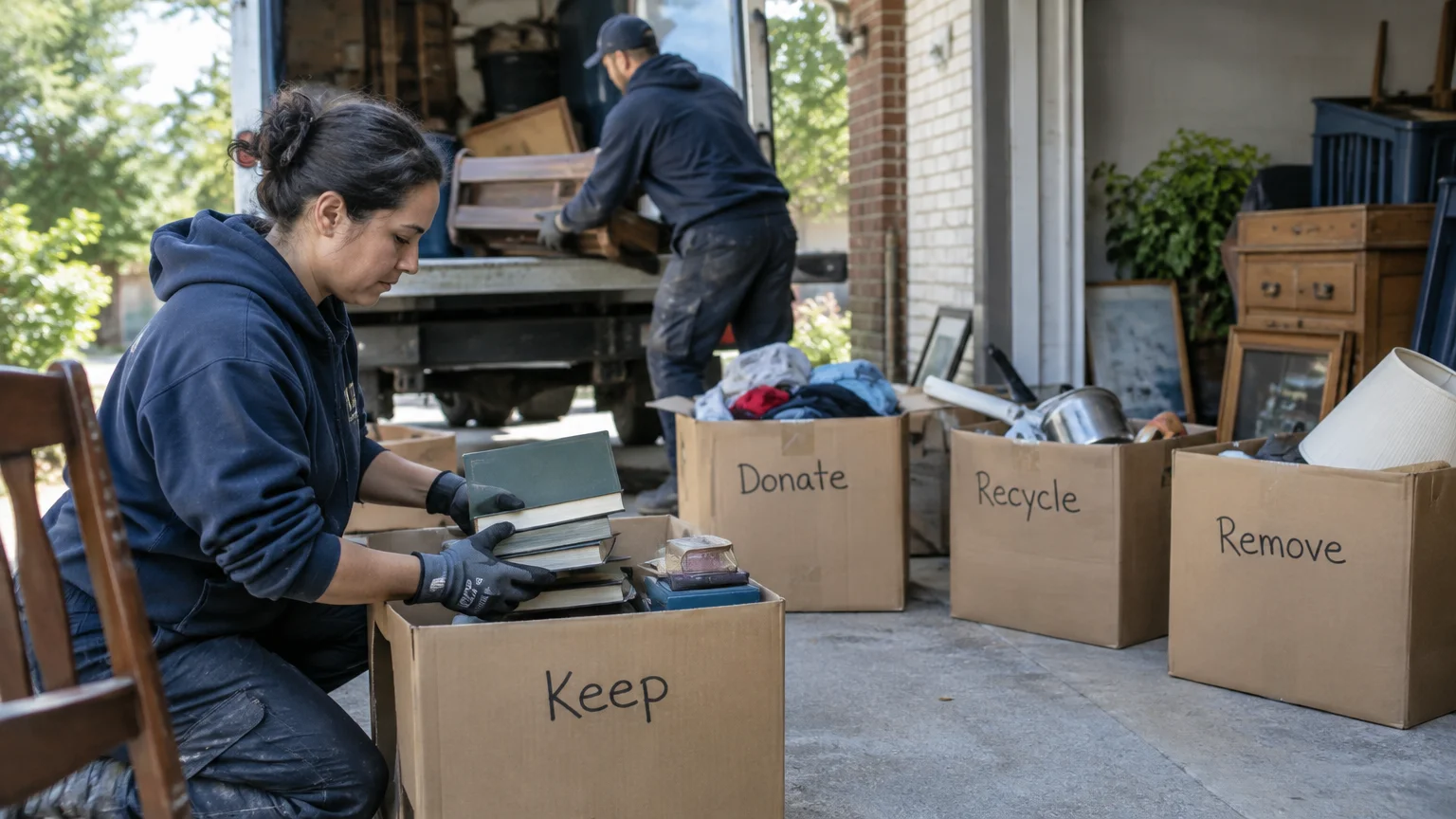
A professional appliance pickup service can save time when you lack a suitable vehicle, lifting help, or a safe place for the item. It can also reduce the need for several trips to different facilities. The service can help homeowners, landlords, property managers, and busy professionals.
Medina Junk Removal can help Medina residents understand what pickup involves before the appointment. You still decide what leaves the property. The crew handles the difficult movement and transport work.
Sign 8: You lack the time, vehicle, or help to complete the job
Large appliances may not fit in a family vehicle. A rented vehicle may need special loading tools, tie-downs, and an approved disposal site. Finding helpers can also be hard when an appliance is heavy or the route includes stairs.
A professional crew brings a planned process for lifting and loading. Clear communication still matters. Confirm the appliance type, access conditions, connections, and safety concerns before work begins.
What to expect from scheduling through final removal
The process usually starts with a description of the appliance and property. The provider may ask about size, condition, location, stairs, doors, and connections. On arrival, the crew reviews the route, protects nearby surfaces when needed, removes the item, and checks the work area.
Ask when the final removal details will be confirmed in a quote. The provider should also explain what happens to the appliance after pickup. Clear answers help you choose a service that fits the property and the job.
How Can You Choose the Right Appliance Pickup Service?
The right service should communicate clearly, protect the property, and explain how it handles different appliances. Look for practical answers instead of broad promises. A local provider familiar with Medina may understand area access and disposal options better.
Before booking, ask these questions:
- Does the service accept the type and number of appliances being removed?
- Can the crew handle stairs, tight doors, built-in units, or outdoor access?
- How should refrigerators, freezers, and damaged appliances be prepared?
- What steps protect floors, walls, doors, and nearby belongings?
- Will the final cost be confirmed in a quote after the job is reviewed?
- How are appliances sorted for reuse, recycling, parts recovery, or disposal?
Questions to ask about handling, disposal, and property protection
A trustworthy provider should discuss the removal plan. Ask whether the crew will disconnect anything, what preparation is needed, and how the item will leave the property. If the provider cannot answer basic safety questions, keep looking.
The provider should also explain its limits. Some companies may not handle gas appliances, badly damaged units, contaminated items, or appliances in unsafe places. Knowing these limits early can prevent a failed appointment.
Key takeaways for planning a safe appliance removal
- Remove an appliance when it is unsafe, broken, unwanted, or taking useful space.
- Do not dismantle cooling systems or work on unsafe gas and electrical connections.
- Clear the route and remove personal items before the crew arrives.
- Ask how refrigerators, freezers, and other appliances will be handled afterward.
- Confirm the final cost in a quote after the provider reviews the job details.
Frequently Asked Questions
How do you get rid of an old refrigerator?
You can contact a local appliance removal service, retailer, utility program, or approved recycling facility. Empty the refrigerator and keep it intact. Do not remove cooling lines or refrigerant at home. The provider should explain how it handles the refrigerator and what preparation is needed.
How should someone dispose of a washing machine?
Empty the washing machine, unplug it when safe, and check for leftover water. A qualified person should handle water connections when needed. A professional pickup crew can move the machine and take it through its planned reuse, recycling, or disposal process.
Can homeowners arrange appliance removal near me without a vehicle?
Yes. A pickup service helps people who do not have a suitable vehicle or enough help to move a large appliance. Share the item’s location, size, condition, and access route. Stairs, narrow doors, and built-in units may affect the removal plan.
What happens to old appliances after pickup?
The result depends on the appliance’s condition and local processing options. A working item may go toward reuse. Other units may be separated for metal, plastic, glass, or parts recovery. Refrigerators and freezers may need special handling before recycling or disposal.
What affects the cost of appliance removal near me?
The cost depends on the appliance type, size, weight, condition, connections, location, and access route. Stairs, narrow doors, built-in units, damage, and special handling can make the job more involved than a simple curbside pickup. The final cost should be confirmed in a quote after the provider reviews the details.
Conclusion
An appliance often needs professional help when it is unsafe, too heavy, hard to access, or linked to special disposal needs. The same is true when a move, renovation, rental turnover, or whole-home cleanout creates several unwanted machines. Careful preparation helps the job run smoothly.
Medina Junk Removal gives homeowners a practical option for clearing unwanted appliances from their properties. Contact us to arrange a professional appliance pickup service and discuss the items, access route, and preparation needed.